“The Ground of This Assurance” -- Article Ten, The Fifth Point of Doctrine, Canons of Dort
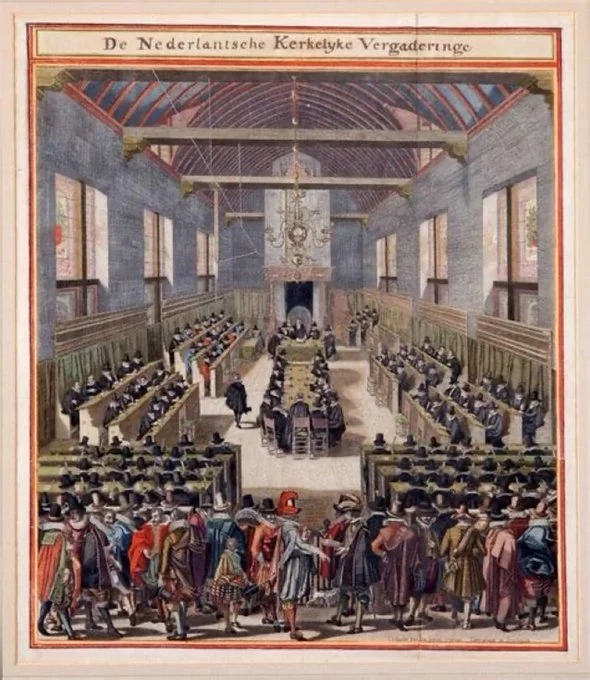
“The Ground of This Assurance”
Accordingly, this assurance does not derive from some private revelation beyond or outside the Word, but from faith in the promises of God which he has very plentifully revealed in his Word for our comfort, from the testimony “of the Holy Spirit testifying with our spirit that we are God’s children and heirs” (Rom. 8:16–17), and finally from a serious and holy pursuit of a clear conscience and of good works. And if God’s chosen ones in this world did not have this well-founded comfort that the victory will be theirs and this reliable guarantee of eternal glory, they would be of all people most miserable.
________________________________________
The assurance of one’s salvation is not strictly a theological matter, but essentially a pastoral one. How can God’s people live in the knowledge that God will deliver them from the guilt and power of sin, despite the flesh (the sinful nature) continuing to create sinful thoughts and desires within which often manifest in sinful acts and behaviors? Anyone who has ever wrestled with the question, “how can I know that I will be saved?” has dealt with the matter addressed in this article.
The Dutch Arminians (along with Roman Catholics) contend that the Reformed view of the assurance of one’s salvation (that you can presently know that you will be saved) leads to the sin of presumption—we presume that God will save us despite the possibility of serious future sin and the possibility of apostasy (falling away). The challenge raised is that a Christian may believe the gospel at present, but cannot be assured that at some future point they will not fall into serious sin or renounce the faith. To presume that we can have such assurance, it is claimed, makes people indifferent to sin and lazy and careless in the pursuit of holiness. “If I can’t lose my salvation (and have a false assurance that I will not) then what motive do I have to avoid sin or strive to make progress in the Christian life.” The critics of the Reformed view often opt for suitable motivation through asserting that the Christian life is grounded in the “fear of punishment and hope of reward.”
In previous articles under the fifth head of doctrine, the Canons addressed the reality of indwelling sin in believers, and emphasized the fact that despite the temptations and struggles of the Christian life, true believers will persevere to the end of their lives in faith and repentance because Jesus preserves them through his present work as mediator and intercessor.
Here, the Canons deal with yet another aspect of the assurance of salvation: the work of the Holy Spirit. Believers need not seek a special work of grace or a secret revelation promising them assurance in addition to what has already been revealed in the word of God—the role of the Holy Spirit in the Christian life. The Canons put it this way: “Accordingly, this assurance does not derive from some private revelation beyond or outside the Word, testimony `of the Holy Spirit testifying with our spirit that we are God’s children and heirs’ (Rom. 8:16–17), but from faith in the promises of God which he has very plentifully revealed in his Word for our comfort.” A clear conscience is the only solid foundation which can provide the freedom to actually do good works and pursue holy things. God’s saving mercy in Christ is a promise of his love and forgiveness, not a sinful presumption leading to indifference to our sins.
In addition to the text cited in article ten—“the Spirit himself bears witness with our spirit that we are children of God”—the present intercession of Jesus on behalf of sinners also comes to mind (John 17; 1 John 2:1-2). Paul goes on to speak of us as children and heirs of God, “and fellow heirs with Christ, provided we suffer with him in order that we may also be glorified with him.” This is hardly a religion of fear and reward seeking, but of comfort and confidence, not in ourselves, but in our intercessor (Jesus) and the indwelling Holy Spirit (Romans 8:24-28), who helps us in our weakness (Romans 8:26) and enables us to cry “Abba, Father” (Romans 8:15). The motivation for striving to obey the commandments and avoiding sin is neither fear nor gain, but as the Heidelberg Catechism puts it, “gratitude.” We can live in faith and comfort, knowing that God will complete his work in us through Christ and in the Holy Spirit. We serve him joyfully because of who he is and what he has done for us.
What a miserable existence it is for those who, out of fear, avoid God’s holy presence and seek to gain his favor by what they do. No, as the article puts it, “and if God’s chosen ones in this world did not have this well-founded comfort that the victory will be theirs and this reliable guarantee of eternal glory, they would be of all people most miserable.” Indeed.