
What Does It Mean to Be a “Doer?”
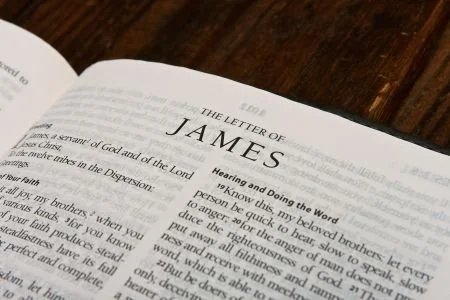
In the opening chapter of his epistle, James exhorts us to be “doers” of the word and not to remain mere hearers only. In the second chapter, James tells us that good works are the necessary fruit of a justifying faith. But that, of course, raises the question, “just what, exactly, does it mean to be a “doer of the word?” What kind of good works give evidence of a justifying faith?
In the third chapter of his epistle, James addresses a number of specific issues which were plaguing the churches to which he is writing. When James exhorts Christians to act in line with their profession of faith in Christ, James is actually informing his reader what it means to “do.” James also describes some of the good works which should stem from our faith in Christ. Doing the word means taming our tongues (controlling our speech), because our words can be so destructive. Doing the word also means seeking true wisdom from above, because this wisdom enables us to live in peace with one another, and will help us in the struggle to get our sinful natures under control. In doing these things, we demonstrate that we are not “mere” hearers of the word, and we will also manifest those good works which James says are the sign of saving faith.
Seeking Wisdom “from Above”
We move into the last part of chapter 3 and the opening verses of James chapter 4, where James directs his readers to the importance of seeking heavenly wisdom from above. In order to “do” we need to know what to do, as well as “how” to do it. As James will explain to his audience, when Christians live in light of God’s wisdom–and stop relying upon our own passions–we will live in such a way that our lives will be characterized by what James calls a “harvest of righteousness.” We will be at peace with our brothers and sisters, and God will help us to keep our sinful passions in check. But should we insist upon following our own sinful passions, our behavior will remain unchecked, and our churches will suffer the consequences–quarrels, disputes, and chaos.
As James spells out some of the specific issues facing the churches to which he is writing, the brother of our Lord identifies one of the chief culprits for their troubles as earthly ways of thinking and doing (worldliness). From the circumstances to which James alludes, apparently, the churches of the dispersion were facing great internal disorder and chaos, they were quarreling and fighting with each other, there was jealousy among the members, there was discrimination against the poor, and favoritism shown toward the rich–and this in addition to a number of other things catalogued by James. So, while James will identify jealousy, ambition, boasting, along with a number of other sinful human actions as stemming from that which is earthly (worldliness), it is not a stretch to see that all of the sinful behavior which James describes, and which Christians must strive to correct, stems from a reliance upon that which seems to be right to us (and therefore based upon our own wisdom), but which conflicts with the law of God (in which the wisdom of God is on display).
To read the rest, follow the link below
Read More