
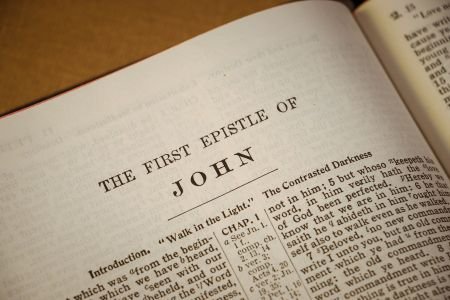
Light and Darkness
In the first two chapters of his first epistle, the apostle John sets out the contrast between those born of God and those who embrace the phantom Jesus of the proto-Gnostics. John says that this contrast is as clear as the difference between light and darkness. Indeed, those who believe that Jesus is the word manifest in the flesh will walk in the light of that one who is the light of the world. But those who deny that Jesus is the word manifest in the flesh instead prefer to live in darkness. And so in the next section of this letter (chapter three), John continues to develop this theme when he tells us that the contrast between believers and the proto-Gnostics can be readily seen in the lives of those who are children of God.
The way in which someone demonstrates that they are a child of God is very simple. Those who have been brought from death to life by Christ will strive to obey God’s commandments, while those who embrace the gnostic heresy are not at all interested in obeying the commandments. This is because such people have deceived themselves into thinking that they have somehow gained enough knowledge and insight into the mysteries of Christ that they no longer sin. And since they think they have risen above their own sinfulness, their conduct inevitably reflects their indifference to the commandments of God. Those who abide in death (as John puts it) love darkness, hate Christ, and are indifferent to righteousness.
The Word Is Manifest in the Flesh
As we continue to work through the Epistles of John, we come to chapter three of 1 John, where John is discussing the contrast between those who are children of God and those who deny that Jesus is the word manifest in the flesh (whom John describes as children of the devil). In this chapter John repeats a number of themes he’s already addressed in the earlier chapters. John does this to emphasize to his reader the importance of realizing that all those who believe that Jesus is God manifest in the flesh will walk in the light that Jesus came to reveal.
As John develops this contrast, he sets forth a cause and effect relationship. This can be expressed by the indicative and imperative moods (or as is often expressed in terms of the contrast between law and gospel). Those who are born again (the cause) will strive to obey God’s commandments (the effect). John’s opponents not only deny this cause and effect relationship, but they also deny that Jesus is God manifest in the flesh because of their view that matter is evil. They also see no need to reign in their sinful impulses because they think they have been able to purify their own souls through the religious secrets they have learned. To put it bluntly, they are about as wrong as one can be, hence John’s labeling their teaching as the “spirit of antichrist.”
To read the rest, follow the link below
Read More