
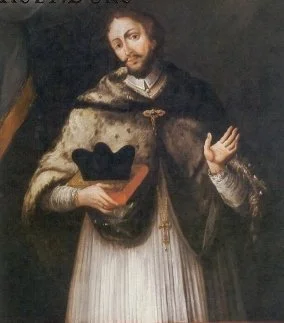
Gerhoh of Reichersberg (1093-1169) was a German reformist theologian nicknamed “scholasticus.” He composed a tract in 1162, on the Antichrist (De investigatione Anti-Christi libri III). In another treatise, The Fourth Watch of the Night (1167), Gerhoh used the imagery of the four watches to explain the course of Christian history. The first watch, he claimed, was the church during the days of persecution by the Romans—the “Bloody Antichrist.” The fourth watch was the age of the “Avaricious Antichrist,” a metaphor for the corruption and simony he encountered in the Roman church of his day.[1]
The contents of Gerhoh’s tract dealing with the age after the fall of Antichrist has been summarized by Brett Whalen in his 2010 book, Dominion of God: Christendom and Apocalypse in the Middle Ages.
“Just as he had done with Peter, however, Christ would stretch out his hand to the Apostolic See, rescuing the papacy before it was completely submerged. A newly spiritualized papacy would take up the fight against Antichrist, resuming and consummating the reform of the Church before the time of the end. This vision of a renewed and purified papacy anticipated one of the more popular apocalyptic ideas of the thirteenth and fourteenth centuries: the hope for a future “angelic” pope, who would rid the Church of corruption and unify the people of the world under the Christian faith” (Whalen, 97).
Gerhoh’s interpretation of the papacy as the center of redemptive history anticipated an odd sort of postmillennial papal reign, which would begin after the defeat of the Antichrist.
To read the rest, follow the link below
Read More