
The Prayer of faith Is Not An “Abracadabra” for Healing
What is the most important thing that a persecuted and suffering church can do? The answer is so obvious that we easily overlook it. Pray!
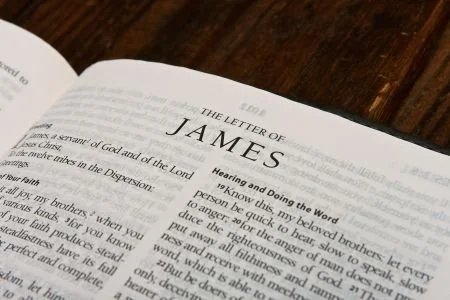
In the final verses of his epistle, James wraps up with an exhortation to the suffering Christians of the Dispersion to seek the power of God through prayer. James reminds them that prayer is the means through which God sustains his people, especially during times of great trial. Sadly, many in our day have turned James’s exhortation to pray for healing into a mantra through which God will supposedly heal all of our diseases–if only we dare claim what is rightfully ours. Instead of seeing James’s exhortation to pray as the means through which God sustains us in the midst of our trials, faith-healers, and prosperity gospelers have turned James’s words into a magical “abracadabra” supposedly enabling us to “claim our miracle.”
It always amazes me that persecuted Jewish Christians to whom James is writing would never understood James in this way, yet prosperous Americans, who have never known a moment of persecution in their lives, take James to be promising them health and wealth. But what James is doing is reminding persecuted Christians that God has heard their cries, and that he stands ever ready to help in time of need. All we need do is ask.
Wrapping Up
With this post, we conclude our series on the Book of James as we make our way through the final verses of chapter five. I hope this series has been as helpful and interesting to you as it has been to me. There is much here for us and I hope you now feel as at home in the Book of James as you do in the letters of Paul.
While some have thought that the Book of James is nothing more than warmed over Jewish legalism, we have seen how that sentiment could not be further from the truth. James does not contradict Paul when it comes to justification. When interpreted correctly, James reminds us of the importance of good works, as well as the need for us to be more than mere “hearers” of the word. In fact, James has taught us that it is God who brings us forth (from death to life) through the preached word which he implants within us, thereby ensuring that we hold the faith in our Lord Jesus Christ.
James exhorts struggling Christians to draw near to God, because James knows God’s promise that God will draw near to us whenever we seek his face. James reminds that when we humble ourselves, God responds by exalting us. James tells us that whenever we seek God’s grace, God is willing to give us even more grace. James is very clear that from beginning to end, the Christian life is grounded in the grace of God, who has promised to see us through all of the trials of life. The way in which God sees us through the trials of life is through prayer, the subject of this exposition.
Waiting Patiently
As we turn to the final section of James 5, we pick up with verse 12, which we briefly considered last time. Then we’ll take up James’s discussion of prayer, beginning in verse 13. One of the difficulties in interpreting the Book of James can be seen with verses like this which seem disconnected from what has gone before or comes after. It is hard to tell whether verse 12 goes with the preceding–James’s warning to those rich landowners who were exploiting Jewish Christians who were forced to leave Jerusalem to seek safety in areas to the north and east of the city–or does it go with what follows, “above all” being James directive that not swearing an oath is the most important exhortation in this letter.
As displaced refugees, many of James’s readers were now forced to eke out a living, finding themselves at the mercy of those landowners who were, apparently, withholding wages from these refugees. After reminding his readers that Jesus’s return was imminent–hence, God’s judgment was soon to come upon those who persecuted God’s people–James tells them that they should wait patiently for the Lord, because in the meantime believers can surely count upon the Lord’s compassion and mercy to sustain them in the midst of their trials. Since James’s readers are largely Jewish converts to Christianity, they knew the story of Job, as well as the history of Israel’s prophets who had suffered greatly at the hands of their own people. Those who know the Old Testament know that God is always faithful to his suffering people, just as he will be faithful to those to whom James is writing.
To read the rest, follow the link below
Read More