
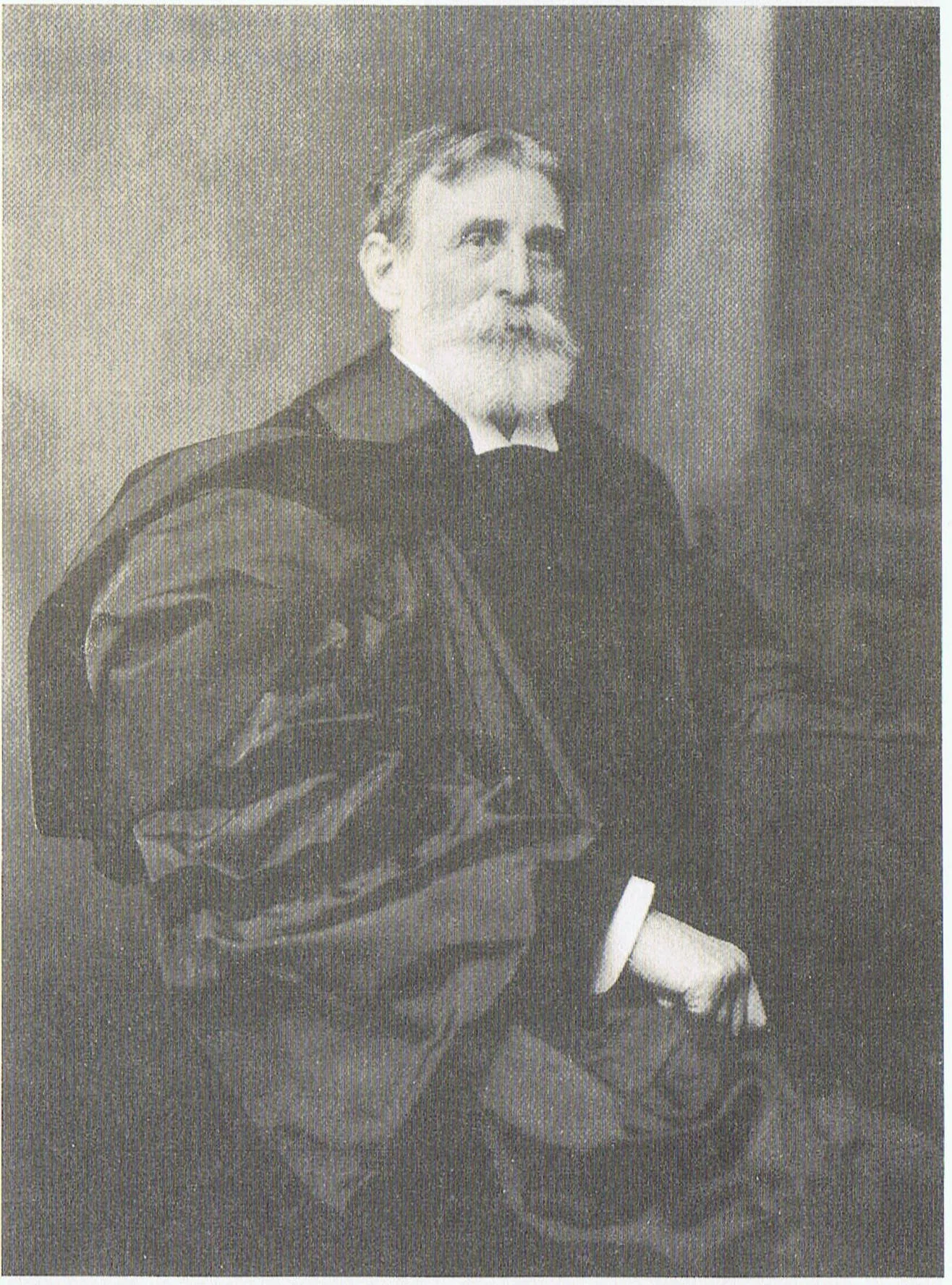
B. B. Warfield was asked to write an essay on Apologetics for The New Schaff-Herzog Encyclopedia of Religious Knowledge. In the days before the internet (with Wikipedia and AI search functions), or Bible software such as Logos with massive theological databases, these multi-volumed theological encyclopedias (Christian versions of the Encyclopedia Britannica 11th edition) were standard fare in any theological library, whether that be a seminary, a church library, or even a pastor’s study. The essays were written by the best scholars of the time and were considered the definitive statements on the subject matter upon which they wrote. Warfield wrote a number of such essays on various topics during his long and illustrious career. His entry “Apologetics” is one of his most significant. You can find the entire article here: Warfield on Apologetics.
After defining Apologetics as a discipline “derived from the Greek apologeisthai, which embodies as its central notion the idea of `defense," Warfield moves on to describe the history, tasks, divisions, and value of defending the Christian faith.
When addressing the value of the discipline, he laments the corrosive influences of the two great enemies of the Christian faith, rationalism and mysticism.
The convictions of the Christian man, we are told, are not the product of reason addressed to the intellect, but the immediate creation of the Holy Spirit in the heart. Therefore, it is intimated, we may do very well without these reasons, if indeed they are not positively noxious, because tending to substitute a barren intellectualism for a vital faith. It seems to be forgotten that though faith be a moral act and the gift of God, it is yet formally conviction passing into confidence; and that all forms of convictions must rest on evidence as their ground, and it is not faith but reason which investigates the nature and validity of this ground. "He who believes," says Thomas Aquinas, in words which have become current as an axiom, "would not believe unless he saw that what he believes is worthy of belief."
To read the rest, follow the link below
Read More