Herman Bavinck -- The Doctor and the Theologian
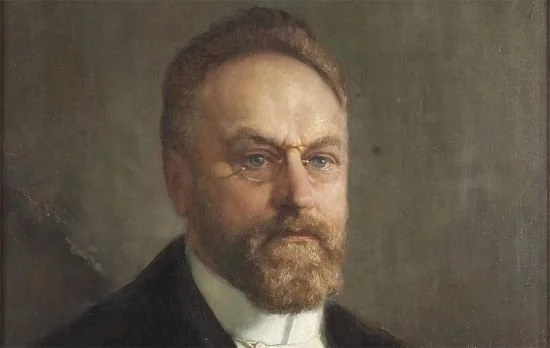
In his book, the Certainty of Faith (1901), Herman Bavinck writes
. . . there is also a practical side to theology that makes it akin to medicine. The theoretical knowledge of the doctor is doubtlessly very important, but his worth and the worth of his science only comes into its own when he heals people. Similarly, theology must prescribe medicine for the ailments of the soul. It must be able to say how and in what way we can be freed from our guilt, reconciled with God, attain to patience and hope amidst life’s tribulations, and find reason to sing praises in the face of death.
A theology that does not concern itself with these things and only dedicates itself to critical and historical studies is not worthy of the name theology. And a theologian who is acquainted with all the latest issues of his science but who stands speechless at a sickbed and knows no answer to the questions of the lost sinner’s heart isn't worthy of his title and office.
A theology professor once told me that in his student days he was introduced to all sorts of scientific issues, but was never given the answer to one question: How do I get to heaven? Yet, the answer to this question provides the church and theology with their reason for existence. This is what preaching and family visiting are about.
Modern theology, whose achievements we must not underestimate, did not flounder because of the scientific acumen of its enemies. Its impotence became evident in practice. It lost in the pulpit and in family visiting because it had no comfort to offer for either life or death. Not the school but the church, not the seminary but the pulpit, not apologetics but the sickbed and deathbed showed up its poverty.
History and experience show us every day what is most expected from theology: it must nurture our certainty of faith. Otherwise, rather than seek help from an established science that can wax eloquent about illness but which cannot heal, the sick will turn to the first quack who comes along.